
Modern organizations operate in fast paced environments where productivity, collaboration, and security are essential for success. As workplaces continue to evolve, office technology solutions play a vital role in helping businesses streamline operations, reduce manual effort, and support employees in working more effectively. From communication tools to automation platforms, the right technology can transform how offices function on a daily basis.
This article explores how office technology solutions improve workplace efficiency, the key areas they impact, and how organizations can make informed decisions when adopting new tools. The focus remains on practical value, long term benefits, and strategies that support sustainable growth.
Understanding the Role of Office Technology Solutions
Office technology solutions refer to digital tools, systems, and equipment designed to support everyday business activities. These technologies enhance how information is created, shared, stored, and secured within an organization.
Efficiency in the workplace is not only about working faster. It is also about reducing errors, improving communication, and allowing employees to focus on higher value tasks. When implemented thoughtfully, office technology solutions create an environment where teams can collaborate effectively and adapt to changing demands.
Why Workplace Efficiency Matters
Efficient workplaces experience higher employee satisfaction, better customer service, and improved profitability. Technology supports these outcomes by removing unnecessary barriers and simplifying workflows.
Inefficient processes often result in duplicated efforts, delayed decisions, and frustration among staff. By contrast, efficient systems help organizations respond quickly to opportunities and challenges while maintaining consistency and quality.
Communication and Collaboration Technologies
Clear communication is the foundation of any productive workplace. Office technology solutions that support collaboration ensure that employees remain connected regardless of location or role.
Unified Communication Platforms
Unified communication platforms bring multiple communication channels together in one place. These platforms often include messaging, voice calls, video meetings, and file sharing.
By centralizing communication, employees spend less time switching between tools and more time engaging in meaningful work. Real time communication also reduces delays and helps teams resolve issues faster.
Video Conferencing and Virtual Meetings
Video conferencing technology has become essential for modern workplaces. It supports remote work, hybrid teams, and cross location collaboration.
High quality video meetings improve engagement compared to audio only calls. Visual cues help participants better understand context and build stronger professional relationships. This leads to clearer discussions and more effective decision making.
Shared Digital Workspaces
Digital workspaces allow teams to collaborate on documents, projects, and ideas in a shared environment. These platforms provide version control, commenting features, and access permissions.
When everyone works from the same source of information, misunderstandings decrease and productivity increases. Shared workspaces also support transparency and accountability across departments.
Document Management and Workflow Automation
Paper based processes and manual workflows can slow down operations and increase the risk of errors. Office technology solutions focused on automation and document management help organizations work smarter.
Digital Document Management Systems
Document management systems store files securely in digital formats, making them easy to search, retrieve, and share. These systems reduce physical storage needs and minimize the risk of lost documents.
Advanced search features allow employees to locate information quickly. Access controls ensure that sensitive data is only available to authorized users, improving both efficiency and security.
Workflow Automation Tools
Workflow automation tools handle repetitive tasks such as approvals, notifications, and data entry. Automating these processes reduces manual effort and ensures consistency.
For example, automated approval workflows can route documents to the right people without delays. This helps projects move forward faster and frees employees to focus on strategic work.
Electronic Forms and Signatures
Electronic forms and digital signatures eliminate the need for printing and scanning documents. These tools accelerate processes such as onboarding, contract approvals, and internal requests.
By digitizing forms, organizations reduce errors caused by manual data entry and improve record keeping accuracy.
Cloud Based Office Technology Solutions
Cloud technology has transformed how offices operate by providing flexible access to tools and data from anywhere.
Benefits of Cloud Adoption
Cloud based office technology solutions allow employees to access applications and files using internet connected devices. This flexibility supports remote work and business continuity.
Cloud solutions also reduce the need for on site infrastructure, lowering maintenance costs and simplifying updates. Automatic backups and updates ensure systems remain current and reliable.
Scalability and Cost Efficiency
One of the key advantages of cloud technology is scalability. Organizations can adjust their usage based on current needs without major investments in hardware.
This approach allows businesses to pay for what they use and scale up or down as requirements change. It supports growth while maintaining cost control.
Collaboration in the Cloud
Cloud platforms enable real time collaboration on documents and projects. Multiple users can work on the same file simultaneously, with changes visible instantly.
This capability improves teamwork and reduces delays caused by file sharing and version confusion.
Smart Office Equipment and Devices
Beyond software, physical office technology solutions also play a role in improving efficiency. Modern office equipment integrates digital features that enhance usability and performance.
Intelligent Printing and Scanning
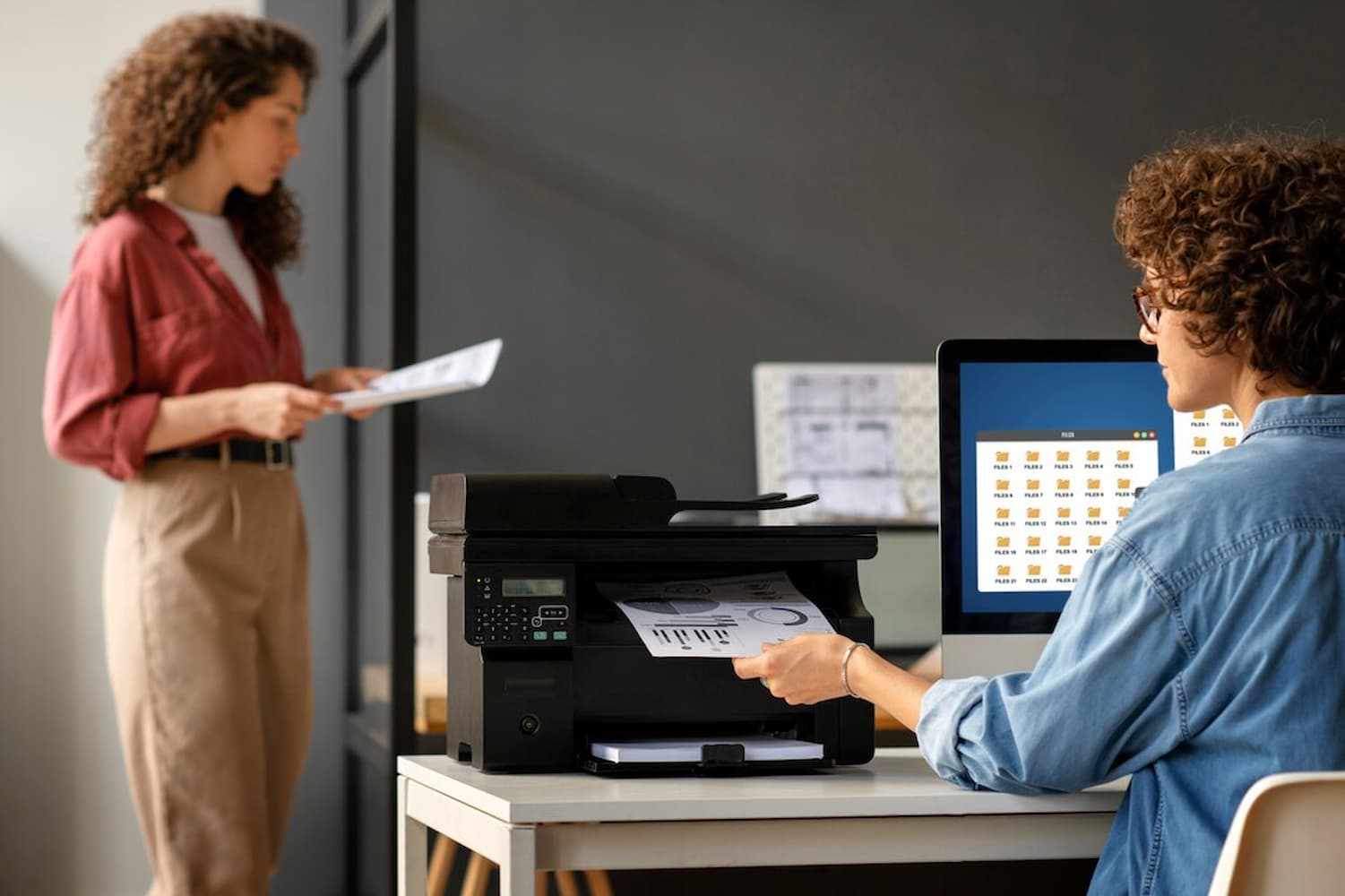
Advanced printing and scanning devices offer features such as secure printing, mobile access, and automated workflows. These devices integrate with digital systems to streamline document handling.
Secure printing ensures sensitive documents are only released when the authorized user is present. Mobile printing allows employees to print from smartphones or laptops without complex setup.
Internet Connected Office Devices
Internet connected devices enable centralized monitoring and management of office equipment. Administrators can track usage, schedule maintenance, and identify issues remotely.
This proactive approach reduces downtime and ensures equipment operates efficiently.
Energy Efficient Technology
Modern office devices are designed with energy efficiency in mind. Features such as sleep modes and usage tracking help reduce power consumption.
Lower energy use supports sustainability goals while also reducing operating costs.
Data Security and Compliance Solutions
As offices rely more on digital systems, protecting data becomes increasingly important. Office technology solutions must address security and compliance requirements.
Cybersecurity Tools
Cybersecurity tools protect networks, devices, and data from unauthorized access. These tools include firewalls, encryption, and intrusion detection systems.
Strong security measures reduce the risk of data breaches and build trust with clients and partners.
Access Control and Identity Management
Identity management systems ensure that users only access information relevant to their roles. Multi factor authentication adds an extra layer of protection.
By controlling access, organizations minimize the risk of internal data misuse and accidental exposure.
Compliance Management Systems
Many industries must comply with regulations related to data protection and record keeping. Compliance management tools help organizations track requirements and maintain proper documentation.
These systems reduce the administrative burden of audits and ensure ongoing adherence to regulations.
Supporting Remote and Hybrid Work Models
The shift toward remote and hybrid work has increased the importance of flexible office technology solutions.
Remote Access Solutions
Secure remote access allows employees to connect to office systems from home or other locations. Virtual private networks and remote desktop tools provide safe access to internal resources.
These solutions support productivity while maintaining security standards.
Employee Monitoring and Support Tools
Technology can help managers understand workload distribution and identify areas where employees need support. Monitoring tools provide insights without compromising trust when used responsibly.
Support platforms such as virtual help desks ensure employees receive timely assistance regardless of location.
Maintaining Company Culture Through Technology
Digital tools also help maintain company culture in distributed teams. Virtual events, recognition platforms, and social collaboration spaces encourage engagement.
A connected workforce is more motivated and aligned with organizational goals.
Choosing the Right Office Technology Solutions
Selecting the right technology requires careful evaluation of organizational needs and goals.
Assessing Current Challenges
Before adopting new tools, organizations should assess existing processes and identify inefficiencies. Understanding pain points ensures that technology investments deliver real value.
Employee feedback is valuable in this stage, as it highlights practical challenges and opportunities for improvement.
Integration and Compatibility
New office technology solutions should integrate smoothly with existing systems. Compatibility reduces disruption and maximizes the benefits of technology investments.
Open platforms and standard interfaces support easier integration and future expansion.
Training and Change Management
Technology adoption is most successful when employees receive proper training and support. Clear guidance and ongoing education help users feel confident and engaged.
Change management strategies address resistance and ensure that technology becomes a natural part of daily work.
Long Term Impact of Office Technology Solutions
When implemented strategically, office technology solutions deliver long term benefits that extend beyond immediate efficiency gains.
Improved workflows lead to higher quality outcomes and reduced operational costs. Enhanced collaboration supports innovation and faster problem solving. Secure and reliable systems protect valuable data and ensure continuity.
Ultimately, technology enables organizations to create workplaces that are adaptable, productive, and prepared for future challenges.
Conclusion
Office technology solutions are essential tools for improving workplace efficiency in today’s digital environment. By enhancing communication, automating workflows, supporting remote work, and strengthening security, these solutions empower organizations to operate more effectively. The key to success lies in thoughtful selection, proper integration, and continuous improvement. When aligned with organizational goals, office technology solutions become powerful drivers of productivity, collaboration, and long term growth. Businesses seeking expert guidance and reliable implementation can benefit from the experience and support provided by Pulse Technology, helping them build efficient, future ready workplaces.

















Write a comment ...