
In today’s rapidly evolving business landscape, organizations are increasingly turning to innovative solutions to enhance productivity, improve employee satisfaction, and optimize operational efficiency. Among these solutions, smart office technology has emerged as a game-changer. By integrating advanced digital tools and automated systems, workplaces are being transformed into dynamic, interconnected environments that adapt to the needs of their users. This article explores how smart office technology is reshaping the modern workplace, its benefits, and key components that businesses should consider when adopting these solutions.
Understanding Smart Office Technology
What is Smart Office Technology?
Smart office technology refers to a suite of digital and automated systems designed to enhance the workplace environment. These technologies utilize internet-connected devices, sensors, software applications, and artificial intelligence to create intelligent spaces that can monitor, control, and adapt various aspects of office operations. From automated lighting and climate control to advanced communication tools and real-time data analytics, smart office technology enables workplaces to become more efficient and responsive.
The Role of Connectivity and Automation
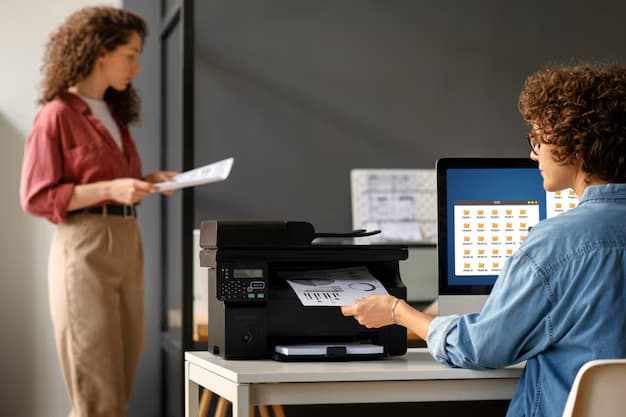
At the heart of smart office technology is the seamless integration of devices and systems through the Internet of Things (IoT). This connectivity allows for the automation of routine tasks and real-time monitoring of office conditions. For example, sensors can detect room occupancy and automatically adjust lighting and temperature, reducing energy consumption and enhancing comfort. Automation also extends to scheduling, security, and communication, streamlining operations and reducing the need for manual intervention.
Benefits of Implementing Smart Office Technology
Enhanced Productivity and Collaboration
One of the most significant advantages of smart office technology is the boost in productivity it provides. Intelligent scheduling systems can optimize meeting room usage and reduce downtime. Advanced communication platforms facilitate seamless collaboration among team members, whether they are in the office or working remotely. Additionally, smart office environments are designed to minimize distractions and improve focus through adaptive lighting and noise control, creating conditions conducive to high performance.
Improved Employee Well-being and Satisfaction
Smart office technology also plays a crucial role in promoting employee well-being. Environmental controls that adjust temperature, lighting, and air quality contribute to a healthier and more comfortable workspace. Access to personalized settings allows employees to tailor their workstations according to their preferences, fostering a sense of autonomy and satisfaction. Furthermore, smart technology can support wellness initiatives by integrating features such as reminders for breaks and ergonomic assessments.
Energy Efficiency and Cost Savings
Sustainability is a growing priority for businesses, and smart office technology offers practical solutions to reduce energy consumption and operational costs. Automated systems can optimize heating, ventilation, air conditioning (HVAC), and lighting based on real-time occupancy data, preventing wasteful usage. Predictive maintenance enabled by sensors can identify equipment issues before they escalate, avoiding costly repairs and downtime. Together, these factors contribute to significant financial savings and a reduced environmental footprint.
Enhanced Security and Data Management
Modern workplaces face increasing security challenges, both physical and digital. Smart office technology enhances security by integrating access control systems, surveillance cameras, and intrusion detection tools that operate cohesively. Data collected from connected devices can be analyzed to identify unusual activity and potential threats. Additionally, secure cloud-based platforms facilitate safe data storage and access, supporting compliance with regulatory requirements and protecting sensitive information.
Key Components of a Smart Office
Intelligent Lighting and Climate Control
Lighting and climate control are fundamental elements of the smart office environment. Advanced lighting systems utilize sensors and timers to adjust brightness based on natural light availability and occupancy. This not only improves comfort but also contributes to energy savings. Climate control systems equipped with smart thermostats regulate temperature and air quality, adapting to usage patterns and external weather conditions for optimal indoor environments.
Smart Meeting Rooms and Collaboration Tools
Meeting rooms in smart offices are equipped with technologies that streamline scheduling and enhance communication. Touchscreen displays, wireless presentation tools, and video conferencing equipment enable efficient collaboration regardless of participants’ locations. Sensors monitor room occupancy to prevent scheduling conflicts and optimize space utilization. These features collectively foster a more connected and productive work culture.
Automated Reception and Visitor Management
Automation extends to reception areas, where smart systems can handle visitor check-ins, notifications, and security protocols without human intervention. Facial recognition, digital badges, and appointment management software improve the visitor experience while maintaining safety. These solutions reduce administrative burdens and allow reception staff to focus on more value-added tasks.
Data Analytics and Workplace Insights
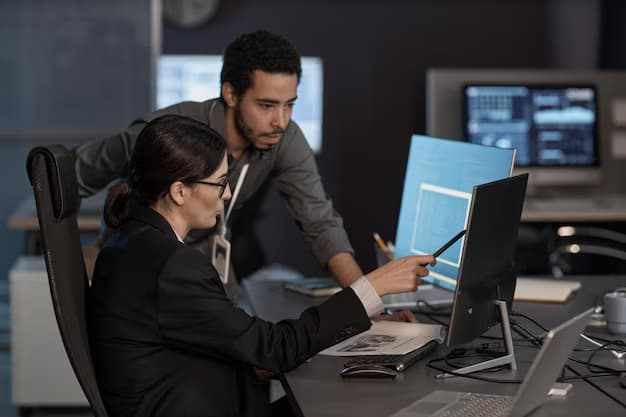
Data is a critical asset in smart offices. Sensors and connected devices continuously collect information on workspace utilization, environmental conditions, and employee behaviors. Advanced analytics platforms process this data to generate actionable insights, helping managers make informed decisions about space planning, resource allocation, and employee engagement strategies. This data-driven approach enables continuous improvement of the workplace environment.
Challenges and Considerations in Adoption
Integration with Existing Infrastructure
Adopting smart office technology often requires integrating new systems with legacy infrastructure. This can present technical challenges, especially in older buildings where wiring and connectivity may be limited. Careful planning and phased implementation can mitigate disruptions and ensure compatibility across devices and platforms.
Data Privacy and Security Concerns
The proliferation of connected devices raises important concerns about data privacy and security. Organizations must establish robust policies and safeguards to protect employee information and prevent unauthorized access. Transparent communication about data collection and usage helps build trust among employees and stakeholders.
Cost and Return on Investment
While smart office technology can offer significant long-term savings, the initial investment may be substantial. Businesses should conduct thorough cost-benefit analyses and consider scalable solutions that align with their budgets and growth plans. Demonstrating tangible improvements in productivity, employee satisfaction, and operational efficiency is essential to justify expenditures.
Change Management and Employee Training
Successful implementation of smart office technology requires addressing human factors. Employees must be trained to use new systems effectively, and management should foster a culture that embraces innovation. Clear communication about the benefits and impacts of these technologies helps alleviate resistance and promotes adoption.
The Future of Smart Office Technology
Emerging Trends and Innovations
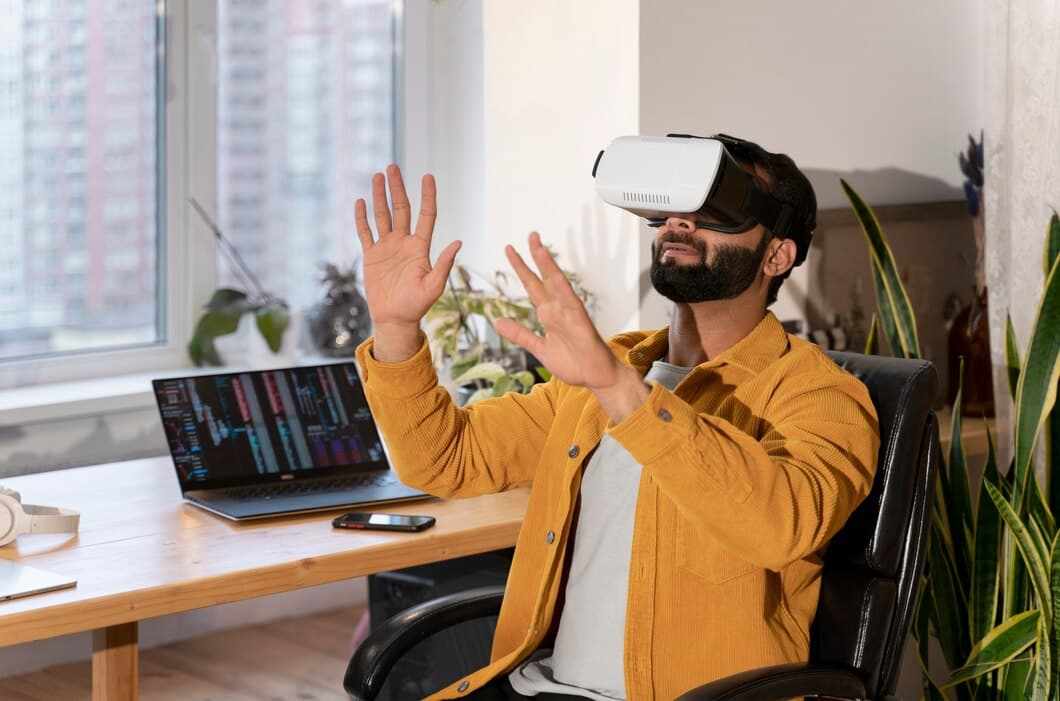
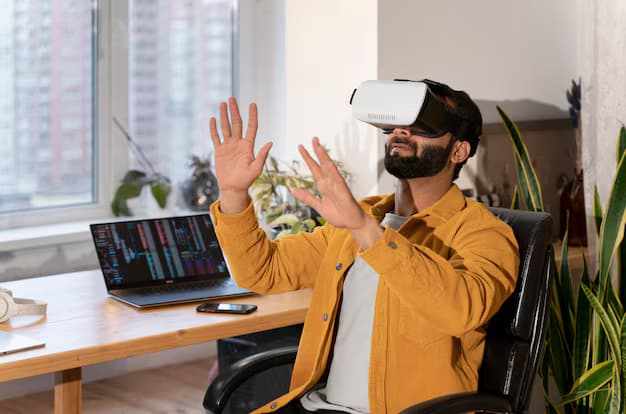
The future of smart office technology promises even greater advancements. Artificial intelligence and machine learning will enable more sophisticated automation and personalized experiences. Augmented reality and virtual reality may enhance remote collaboration and training. Additionally, increased focus on sustainability will drive innovations that further reduce the environmental impact of office operations.
The Role of Hybrid Work Models
As hybrid work arrangements become more prevalent, smart office technology will play a crucial role in bridging the gap between remote and in-office employees. Intelligent scheduling, resource management, and communication tools will ensure seamless coordination and equitable access to workspace amenities.
Continuous Evolution and Adaptability
Smart office technology is not static; it requires ongoing updates and adaptations to meet evolving business needs. Organizations that remain agile and open to experimentation will be better positioned to harness the full potential of these technologies and maintain competitive advantage.
Conclusion
The transformation of the workplace through smart office technology offers compelling benefits across productivity, employee well-being, sustainability, and security. By leveraging interconnected devices, automation, and data analytics, businesses can create dynamic environments tailored to the demands of the modern workforce. While challenges exist, thoughtful planning, investment, and change management pave the way for successful adoption. As this technology continues to evolve, it will redefine how workspaces function and how people experience their professional environments, driving innovation and growth in the years to come.












Write a comment ...