
In today’s fast-paced and ever-evolving work environment, businesses are constantly looking for ways to increase efficiency, improve collaboration, and reduce operational costs. One of the most significant advancements in recent years has been the rise of smart office technology. By integrating innovative tools, devices, and systems, companies can create a more connected, productive, and efficient workspace. In this article, we’ll explore how smart office technology is transforming workplaces and boosting productivity in various industries.
What is Smart Office Technology?
Smart office technology refers to the use of interconnected devices, sensors, and systems that streamline office tasks, enhance communication, and create an optimized working environment. This can include anything from smart lighting systems and voice-controlled assistants to advanced conference room technologies and automated office equipment. These tools are designed to reduce manual work, save time, and help employees focus on more critical tasks.
The integration of smart office technology provides a variety of solutions to common workplace challenges, improving productivity, employee satisfaction, and overall business performance.
Benefits of Smart Office Technology
1. Increased Efficiency
One of the most significant advantages of smart office technology is its ability to boost efficiency in the workplace. Traditional office processes, such as scheduling meetings, adjusting lighting, or even turning on equipment, can be time-consuming and prone to errors. Smart systems automate these tasks, allowing employees to focus on their core work.
Smart Lighting and Temperature Control
Smart lighting systems adjust automatically based on the time of day, the presence of employees in the room, and natural light levels. These systems help create a comfortable and productive work environment while reducing energy consumption. Likewise, smart thermostats can regulate office temperature based on the preferences of employees, contributing to a more comfortable workspace.
Automated Scheduling and Task Management
With smart scheduling tools, meetings, appointments, and tasks can be automatically coordinated without the need for manual intervention. These systems integrate with employee calendars, ensuring that scheduling conflicts are minimized and that time is used more effectively.
2. Enhanced Collaboration and Communication
In any business, communication and collaboration are key to success. Smart office technology provides a range of solutions that improve both, especially in remote and hybrid work environments.
Video Conferencing Tools
Smart video conferencing tools allow teams to stay connected, regardless of their physical location. These systems integrate seamlessly with other tools, such as messaging apps and cloud storage, allowing employees to easily share files, collaborate on documents, and discuss ideas in real time.
Collaborative Software
Cloud-based collaboration platforms enable teams to work on shared documents and projects simultaneously. These platforms allow for smoother communication, making it easier to track progress and share feedback in a centralized location.
3. Streamlined Workflow and Automation
The rise of smart office technology also leads to automation of repetitive tasks, allowing employees to focus on more strategic activities. Automation in the office helps streamline workflows, reduce errors, and save time.
Voice-Activated Assistants
Voice assistants, like Amazon Alexa or Google Assistant, are becoming commonplace in smart offices. These assistants can help employees manage their daily tasks by setting reminders, scheduling meetings, and providing quick answers to common queries, all through voice commands.
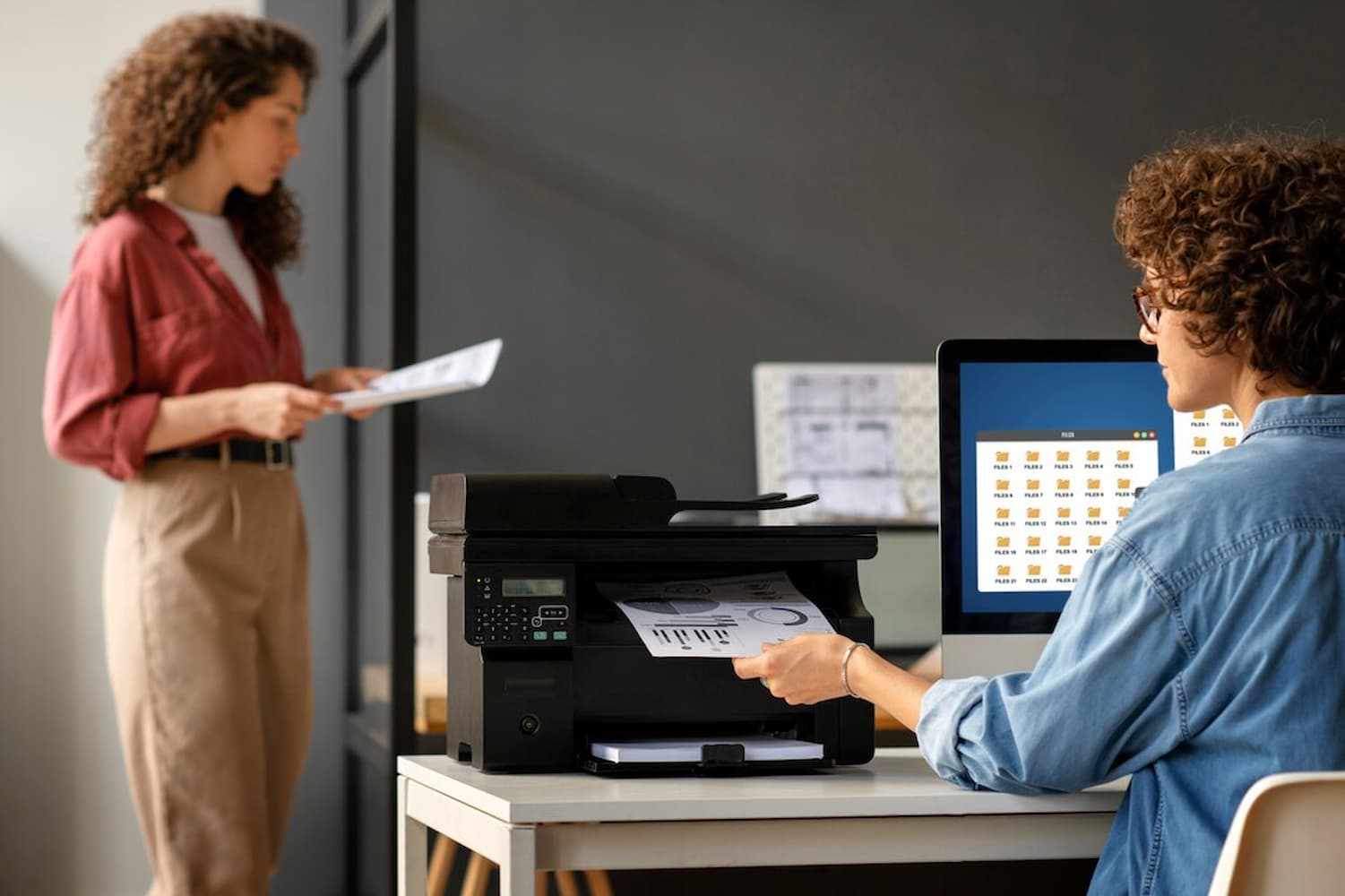
Automated Document Management
Document management systems powered by artificial intelligence (AI) can sort, organize, and categorize files automatically. This reduces the time employees spend searching for information, making workflows faster and more efficient.
4. Cost Savings
Implementing smart office technology can also lead to significant cost savings in the long run. While the initial investment in these technologies may be substantial, the return on investment (ROI) can be high due to the efficiencies they bring to the office.
Energy Savings
Smart office systems, such as lighting and HVAC (heating, ventilation, and air conditioning) controls, can significantly reduce energy consumption. By automating these systems to adjust based on occupancy and time of day, companies can save on utility bills while minimizing their environmental footprint.
Reduced Operational Costs
With automation and remote work solutions, businesses can reduce the need for physical office space and on-site resources. This not only cuts costs but also enables companies to adopt more flexible working arrangements, reducing overhead and improving employee satisfaction.
Types of Smart Office Technologies
1. Internet of Things (IoT) Devices
IoT devices are central to the smart office ecosystem. These devices collect and share data to optimize office operations. For example, sensors in smart thermostats can detect room occupancy and adjust the temperature accordingly, ensuring energy efficiency without sacrificing comfort.
Smart Lighting
Smart lighting systems allow users to control brightness and even color temperature, creating the ideal working environment. These systems can also be programmed to adjust automatically to optimize energy consumption.
Smart Locks and Security Systems
IoT-based security systems provide real-time monitoring of office premises. Smart locks can also enhance access control, allowing employees to securely access the building or specific rooms with digital credentials or mobile apps.
2. Cloud-Based Software
Cloud-based software is the backbone of modern smart office operations. It enables employees to access documents, manage projects, and communicate without being tied to a specific location.
Document Sharing and Storage
Cloud storage platforms allow teams to store and share documents securely, making it easier to collaborate. These platforms also provide version control, so employees can track changes and avoid confusion over document edits.
Task and Project Management Tools
Project management software, such as Trello or Asana, allows teams to assign tasks, track progress, and set deadlines. These platforms help streamline workflows and ensure that everyone is on the same page.
3. Artificial Intelligence and Machine Learning
AI and machine learning are increasingly becoming integrated into smart office technology. These tools analyze data and make decisions based on patterns, which helps optimize office processes and improve decision-making.
AI-Powered Chatbots
Chatbots are becoming common in smart offices, acting as virtual assistants for employees. They can handle common inquiries, assist with administrative tasks, and help employees find information quickly.
Predictive Analytics
AI systems can also analyze patterns in employee behavior, office traffic, and project timelines to predict potential challenges and offer solutions. This can help managers plan ahead and ensure that projects run smoothly.
The Future of Smart Office Technology
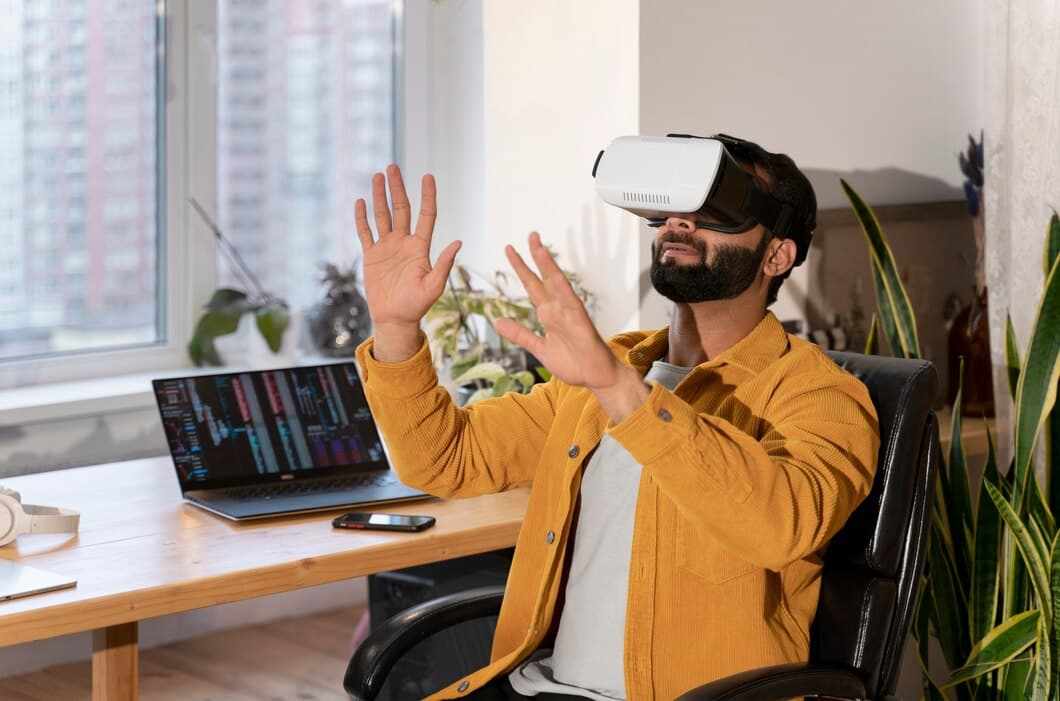
As technology continues to evolve, so will the capabilities of smart office systems. Emerging trends, such as 5G connectivity, augmented reality (AR), and virtual reality (VR), promise to further enhance the smart office experience. These innovations will enable even more seamless communication, collaboration, and automation.
Personalized Workspaces
The future of smart offices may include highly personalized workspaces, where each employee has an environment tailored to their preferences. This could include automatic adjustments to lighting, temperature, desk height, and even chair positioning, all controlled through a smart system.
Advanced AI Integration
AI-powered systems will become even more advanced, with the ability to anticipate employee needs, suggest improvements, and optimize workflows based on data analysis. As these systems learn from employee behavior, they’ll become more efficient at managing tasks, predicting project outcomes, and solving problems.
Conclusion
Incorporating smart office technology into the workplace is no longer just a trend but a necessity for businesses looking to stay competitive in today’s rapidly evolving environment. From improved efficiency and enhanced collaboration to significant cost savings, the benefits are clear. By leveraging automation, cloud-based solutions, and advanced AI, organizations can create a more connected, efficient, and productive workplace.
















Write a comment ...